
Development Education, Other parts of Asia30 JUN 2026
Water Crisis Building Resilience with Nature-based Solutions

Oxfam Hong Kong
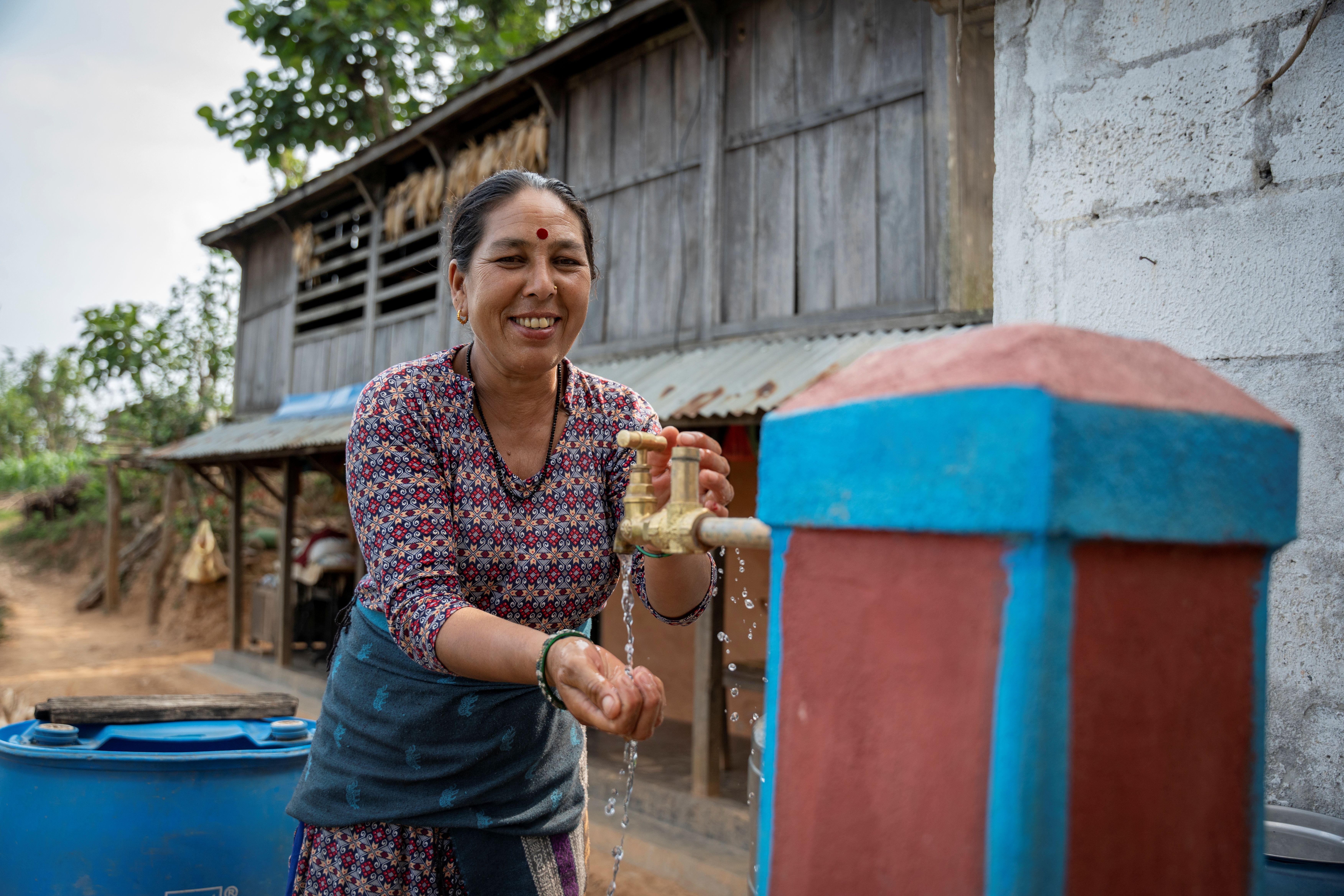 In Nepal, over 30% of the population lives in rural areas. Their daily water does not come from well-developed pipe networks but relies on springs seeping from mountains, streams, and the monsoon rains that arrive each year. Due to inadequate water supply facilities and poor management, daily water supply has long been unstable. Under such circumstances, women and girls bear the heaviest burden because:
- In many families, about 80% of water collection is done by them, taking two to four hours daily walking back and forth on mountain paths, consuming much time and energy.
- Deep-rooted caste-based discrimination makes marginalised groups face even greater exclusion when accessing water, often with little assurance of safety.
Limited Water Supply Makes Life Unsustainable
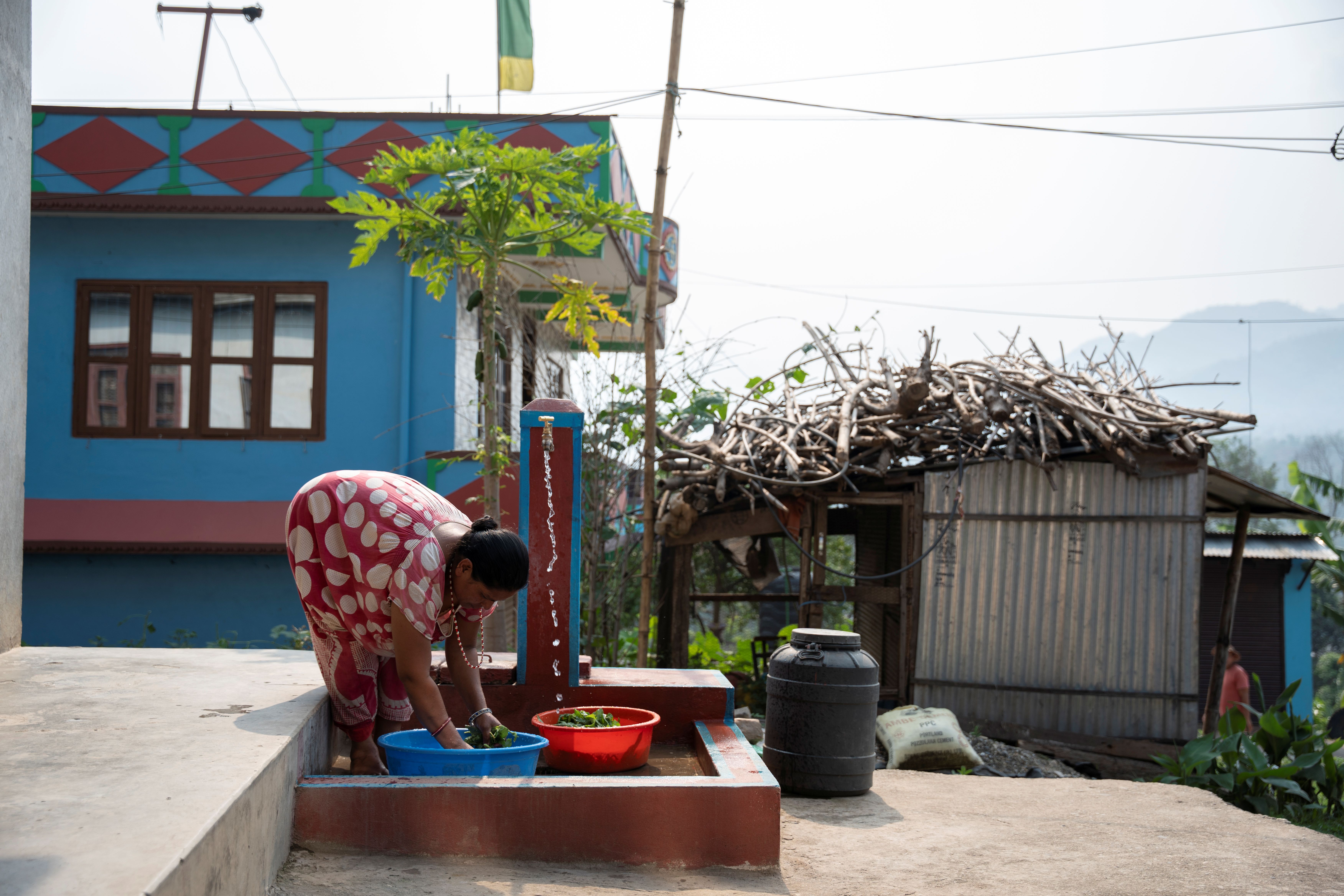
Pampha lives in Jwalamukhi Rural Municipality in Dhading District. After her husband died of illness and her son and daughter-in-law went to work in the Middle East, she was left alone to take care for her young granddaughter. In her area, villagers have to go down to the river for washing, bathing and laundry, while tap water is only for drinking and cooking. Because water is scarce, conflicts often arise among villagers. Pampha often queues for water at three or four in the morning, only to return empty-handed. Without enough water, she cannot farm or keep cows, just barely getting by.
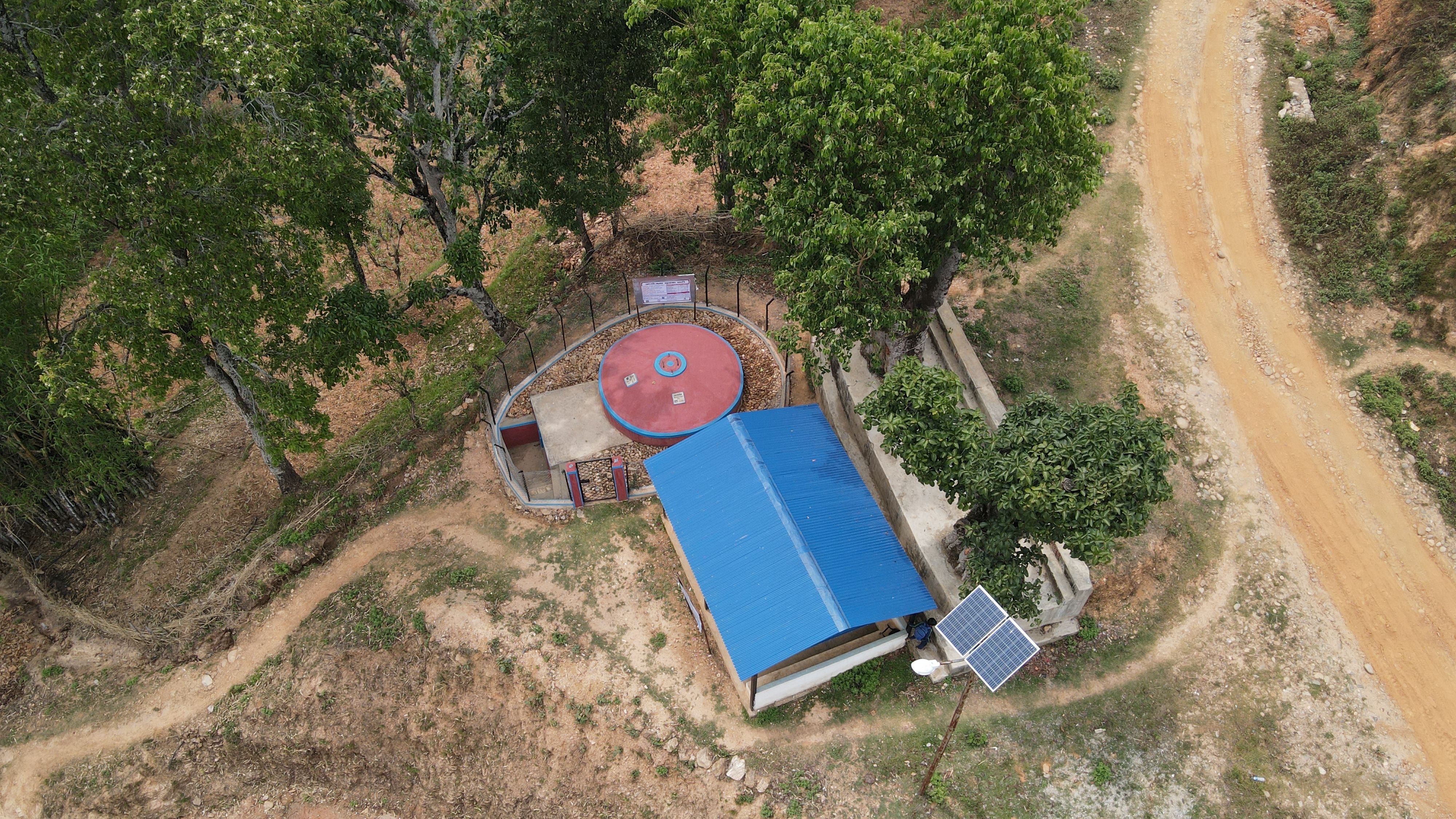
Since 2019, Oxfam in Nepal has been developing and scaling the Alternative Management Model (AMM), by strengthening water infrastructure, enhancing the governance and financial sustainability of Rural Water Supply Management Boards, and empowering communities to actively participate in accountable and sustainable water service delivery. Three years ago, her community built a water storage facility, and a tap was installed in her home, providing water for two hours a day. Pampha can finally spend time on her children’s care and livelihood.
Pampha said, "As everyone has easy access to water, we live in peace now."
Climate change intensifies: water crisis heats up
Climate change is further destabilising rural water sources, putting already fragile water supply systems under greater pressure.
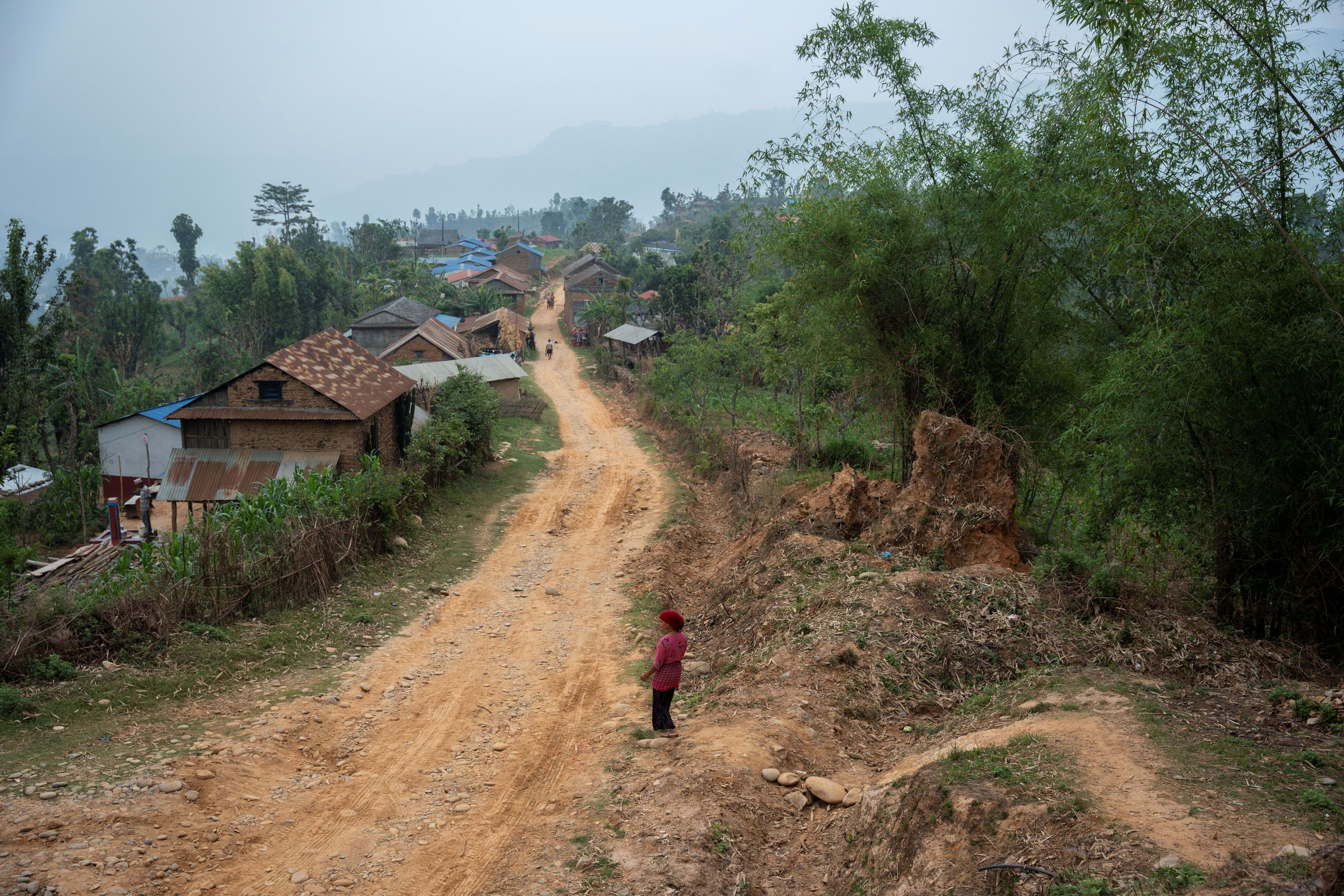
Villages in the mid-hills of Nepal are often built on slopes hundreds to thousands of meters above sea level. Traditional water supply systems are relatively simple in design, making them unable to maintain stable water provision under extreme weather conditions. Water is mainly replenished by pre-monsoon spring rains and summer monsoon rains. But climate change has caused an 80% drop in pre-monsoon rainfall, while monsoon rains have become extremely intense. Heavy downpours wash away topsoil, droughts lower groundwater levels, and coupled with unplanned development, spring recharge paths are disrupted.
In Oxfam's project area in Dhading District
74% of spring sources are already depleted
4% of drinking water sources are turbid all year round
Looking ahead: climate-resilient water solutions
In Jwalamukhi Rural Municipality, Oxfam is implementing a climate-resilient water supply project, building a system from source to households that is truly effective in responding to climate impacts:
Nature-based solutions for spring and catchment restoration
Setting up fencing and soil protection structures, planting trees to enhance water infiltration, contour trenches and check dams, creating percolation pits and recharge ponds, and planting buffer vegetation to reduce erosion.
Solar-powered automation technology
In remote villages with unstable power supply, installing solar-powered chlorination units can reduce reliance on traditional electricity and ensure drinking water safety. Also, installing solar-powered automated systems allows villagers to remotely operate pumps, manage storage, and control distribution.
Strengthening community governance
This includes assisting villagers in forming Rural Water Supply Management Boards, providing training and studying exchanges for board members on climate-adaptive operations, developing standard operating procedures, and holding workshops to implement local water regulations. Digital tools like online payments and complaint handling are also used to enhance the transparency of board operations.